Back to blog
May 12, 2026
Case Study
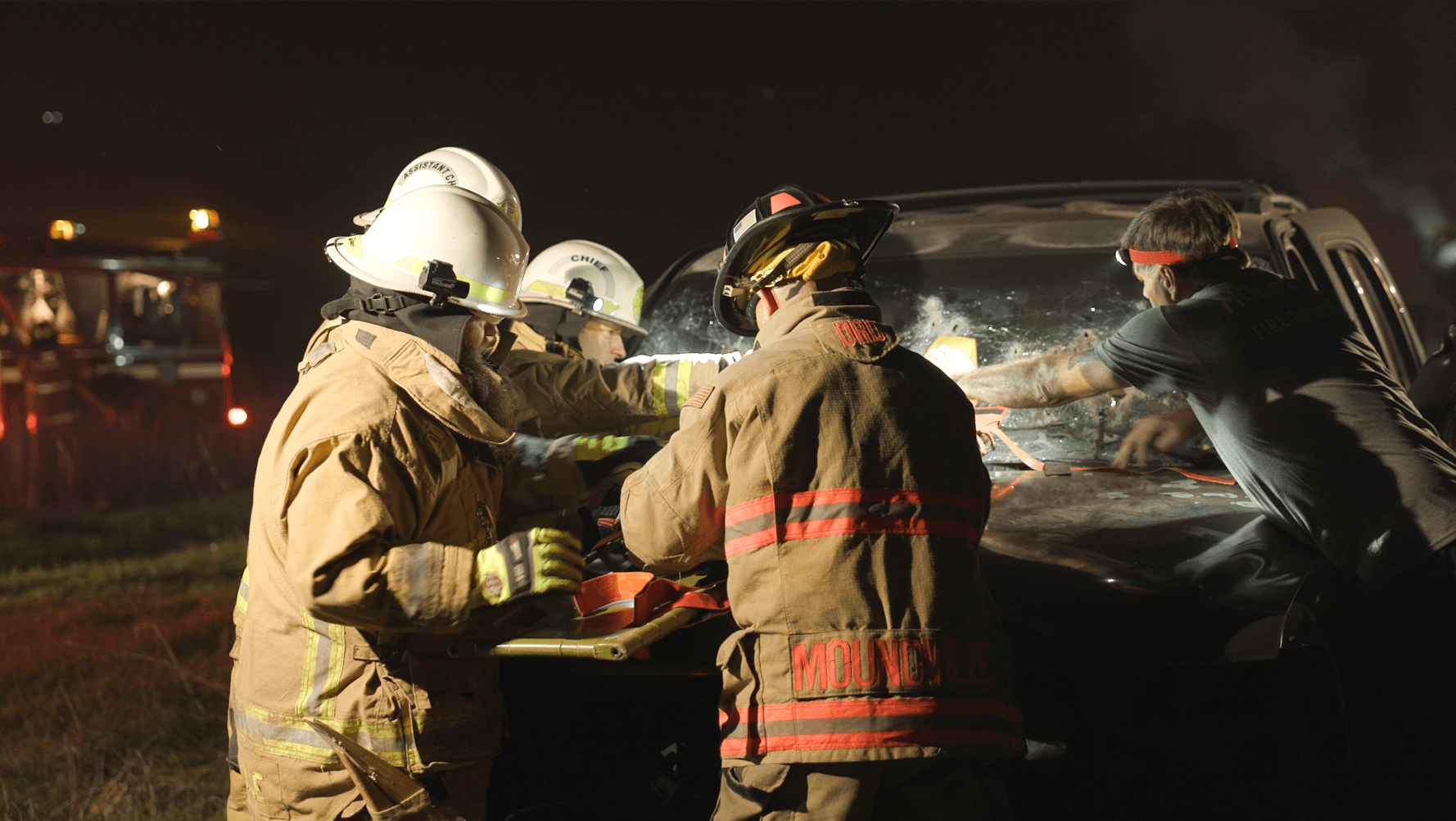
Where Preparation Meets Reality
Disaster response is rarely linear. It unfolds in fragments with partial information, shifting priorities, and decisions made under pressure. For agencies tasked with responding to large-scale incidents, preparation cannot be theoretical. It must be experiential, immersive, and, at times, intentionally overwhelming.
For the Alabama Forestry Commission, that preparation took shape through a full-scale disaster simulation designed to replicate the conditions of a catastrophic plane crash. What emerged was not simply a training exercise, but a carefully constructed environment where complexity, coordination, and consequence could be explored in real time.
More than 800 participants were involved. Fires were actively burning across a debris field. Over 150 simulated victims required triage and extraction. The scale alone introduced challenges, but it was the interplay between agencies, resources, and evolving conditions that defined the exercise. This was not about practicing isolated tasks. It was about understanding how systems perform when everything happens at once.
A Scene Designed for Complexity
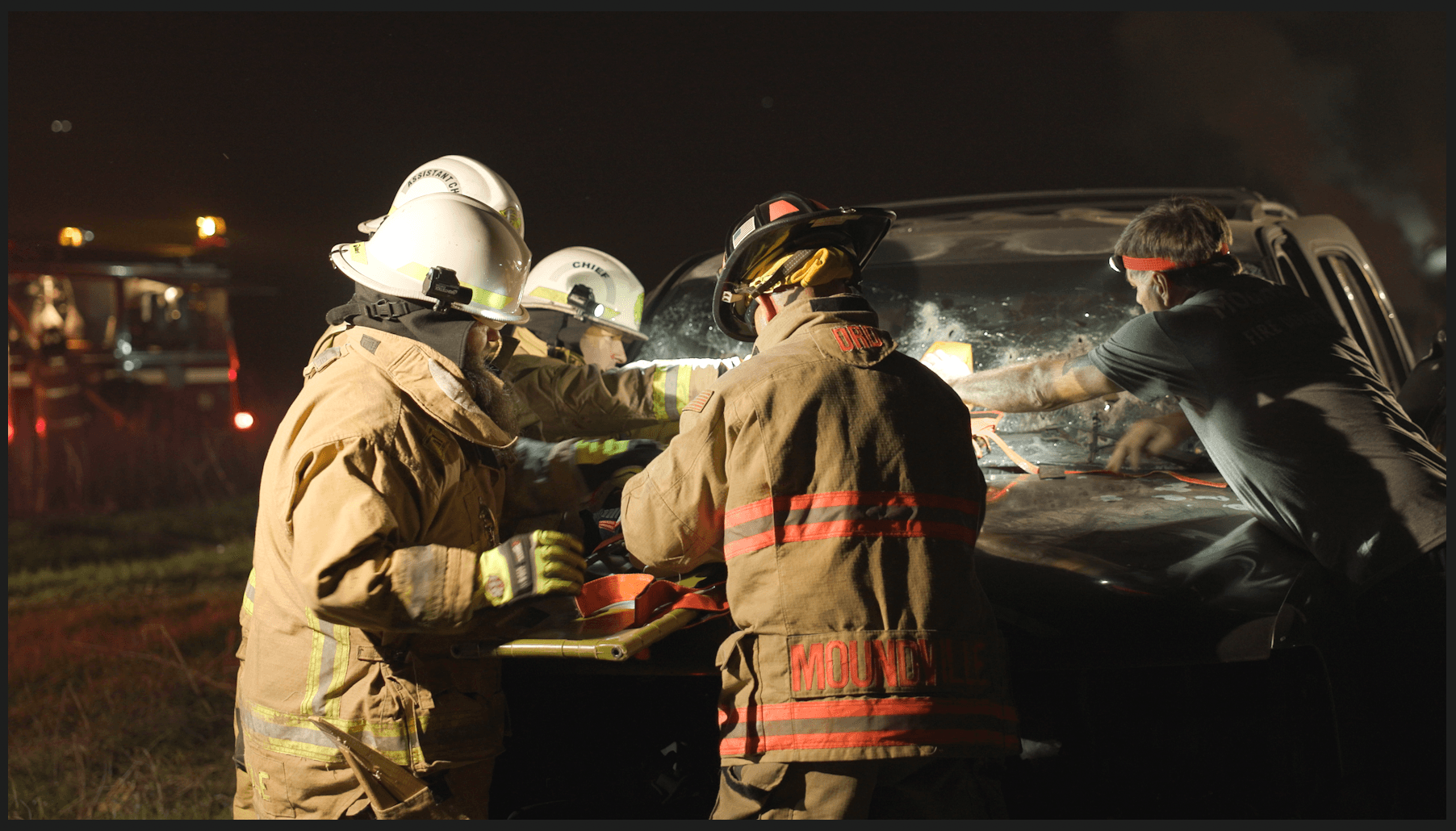
The simulation began with a controlled explosion, signaling the start of the incident and initiating the response. Initial crews arrived to a scene that quickly expanded beyond a single-agency operation; additional resources were requested, command structures were established, and the operational footprint grew rapidly.
Debris had been strategically distributed across the landscape to replicate the fragmentation of a crash site. Fire conditions were introduced to create urgency and risk. Critical objectives, such as locating the aircraft’s black box, were intentionally obscured, with only one individual knowing the location to ensure the search process reflected real-world uncertainty.
As more teams arrived, the complexity of the scene intensified. Multiple agencies operated simultaneously, each contributing to the response while relying on shared information to remain aligned. Communication became essential, but so did clarity. Without a comprehensive understanding of the scene, even well-coordinated teams can struggle to act efficiently.
Establishing a Shared View of the Incident
As the response unfolded, aerial units were deployed to provide a broader perspective of the scene. What began as individual drone flights quickly became a coordinated effort to build a continuous visual understanding of conditions on the ground.
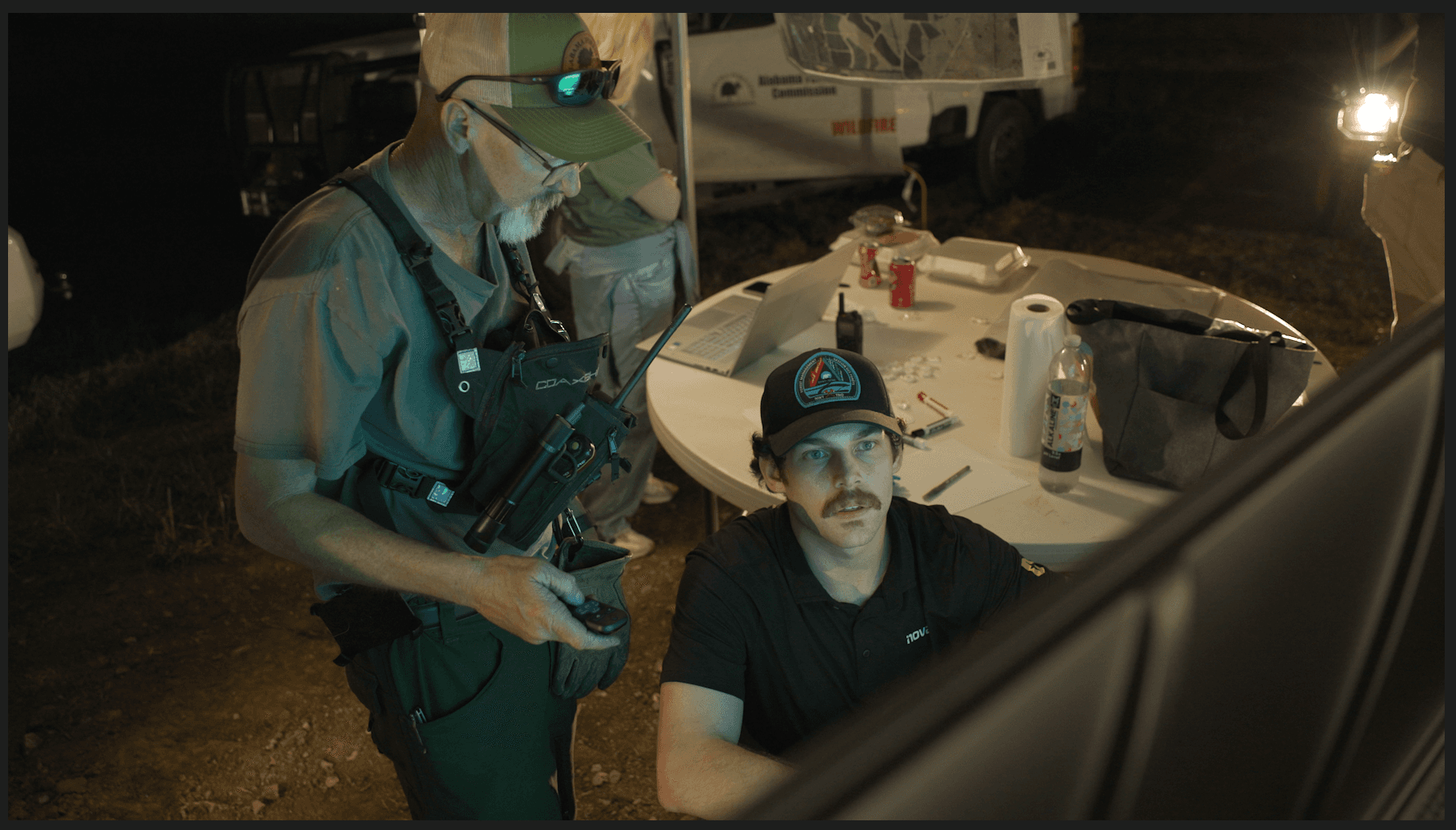
Live video streams were relayed back to the Incident Command table, allowing leadership to observe developments as they occurred. Fire movement, debris distribution, and responder positioning could be monitored in parallel, rather than pieced together through delayed reports.
Within Nova, these inputs were consolidated into a single operational view. The fire perimeter could be mapped as it evolved, while areas of concern and safe zones were identified and shared across teams. Drone positions were tracked relative to the incident, providing spatial context that supported both safety and coordination.
Infrared imagery added another layer of insight, enabling responders to identify heat signatures and locate individuals who may not have been visible through standard imaging. Even targeted objectives, such as locating the aircraft’s black box, became more manageable when supported by a system capable of analyzing visual data in real time.
What emerged was not simply more information, but a more coherent understanding of the incident as a whole.
From Observation to Informed Coordination
One of the most significant shifts during the exercise was how information influenced decision-making. Rather than relying exclusively on radio communication and segmented updates, command staff were able to reference a shared visual framework that reflected current conditions across the entire scene.
This allowed for more deliberate resource allocation. Teams could be directed with greater precision. Priority areas could be identified with confidence. The relationship between different parts of the incident from fire behavior, victim locations, and responder movement, became clearer and more actionable.
In an environment where multiple variables are constantly changing, the ability to align around a common operating picture reduces uncertainty. It enables coordination not just through communication, but through shared understanding.
The Role of Training in Operational Readiness
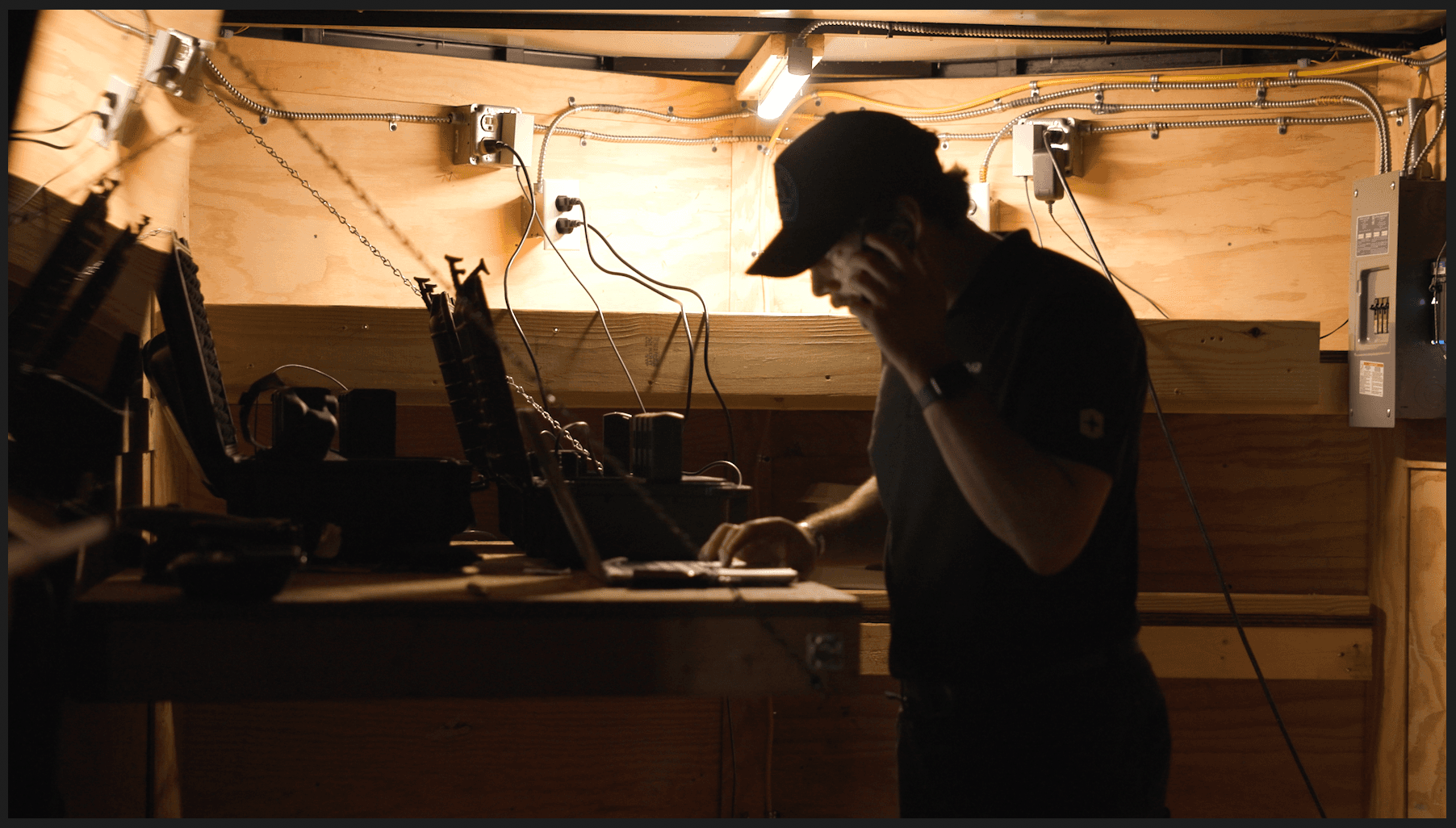
While the exercise itself was controlled, the insights it produced were not theoretical. Following the simulation, participating teams conducted a structured review to evaluate performance across coordination, efficiency, and communication.
Exercises of this scale serve a critical purpose. They reveal where systems hold up under pressure and where they begin to break down. They expose gaps that may not be visible in smaller, more contained training environments. Most importantly, they provide an opportunity to refine processes before they are tested in real-world conditions.
For the Alabama Forestry Commission and its partner agencies, the value of the exercise extended beyond execution. It reinforced the importance of preparation being an ongoing process which evolves with each scenario, each lesson learned, and each improvement implemented.
Building Toward a More Resilient Response
As incidents grow in scale and complexity, the expectations placed on response teams continue to increase. Success is no longer defined solely by speed, but by the ability to coordinate effectively, adapt to changing conditions, and maintain clarity across a wide operational footprint.
Integrating aerial intelligence into these environments is becoming an essential part of that evolution. Nova supports this shift by enabling teams to move beyond isolated observations and toward a more integrated understanding of the incident.
By providing a structured way to visualize, map, and share information in real time, these tools contribute to a more connected and informed response. They support not only the execution of operations, but the decision-making processes that guide them.
The Alabama Forestry Commission’s simulation demonstrates what is possible when preparation is approached with intention and scale. It highlights the value of creating environments where complexity is not avoided, but embraced where teams are challenged to operate as they would in reality, and where the tools they rely on are tested alongside them.
Because in the moments that matter, preparation is not defined by what has been planned, but by what has already been practiced.
Start for free today.
Craft the future. Respond to the present.